
Barndominium vs. Traditional Home: 50-Year Cost & Durability Comparison
Are you torn between building a barndominium or a conventional home in Texas? You’re not alone. More Texas homeowners and rural landowners are asking this exact question and the answer goes far deeper than just the price per square foot. Let’s break down the real numbers, long-term durability, and hidden costs so you can make the smartest investment for the next five decades.
Barndominium vs Traditional House Cost in Texas:
What You're Really Paying For
When people start comparing barndominiums and traditional stick-built homes, they usually focus on the upfront construction price. But that’s only part of the story. The true cost of any home reveals itself over 20, 30, even 50 years — and that’s where these two building types start to look very different from each other.
A barndominium in Texas typically costs between $70 and $130 per square foot to build, depending on the level of finish you choose. A traditionally built home in the same region usually runs $130 to $200 per square foot or more, especially when you factor in framing lumber, exterior cladding, roofing materials, and foundation work. That gap might not seem enormous at first glance, but over a 2,000 to 3,000 square foot build, you’re often looking at a savings of $80,000 to $150,000 upfront.
However, cost isn’t just about what you spend on day one. It’s about what keeps draining your wallet over time.
Construction Timeline and Initial Investment
How Fast Can You Build Each One?
Speed matters especially if you’re paying rent or a mortgage elsewhere during construction. Barndominiums generally go up faster than traditional homes. The steel shell of a barndominium can be erected in just a few weeks, whereas a stick-built home requires more complex sequencing: foundation curing, framing inspections, sheathing, and weatherproofing all of which take time.
For Texas homeowners in rural areas like Brenham, Waco, or the Hill Country, a faster build means lower carrying costs and an earlier move-in date.
What Drives Up Traditional Home Costs?
Traditional homes require more materials, more labor, and more contractor coordination. Wood framing is susceptible to delays from weather, and skilled framers are increasingly harder to book in high-demand Texas markets.
Costs for lumber have also been volatile in recent years, which adds financial unpredictability to any wood-framed build.
Durability Over 50 Years: Steel vs. Wood
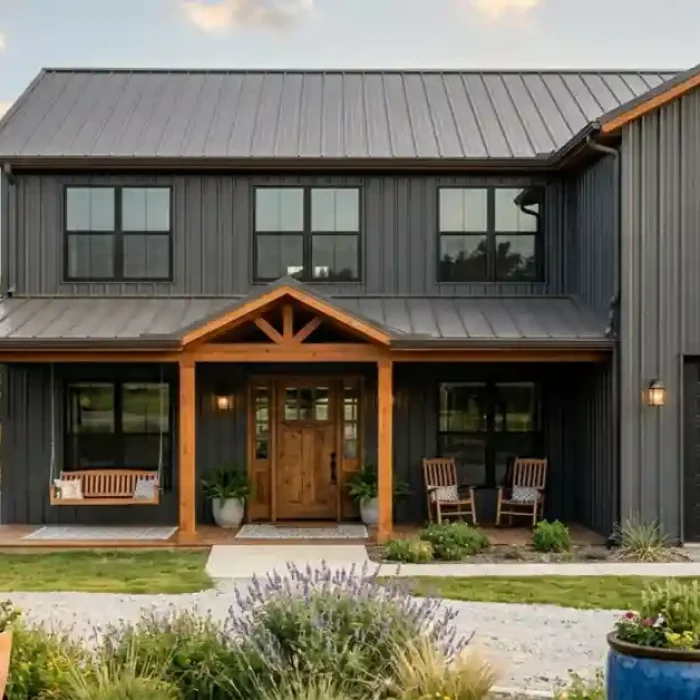
This is where the conversation gets really interesting. A barndominium is built around a steel frame, which offers significant advantages in terms of long-term structural durability.
Steel Frame Advantages
Steel doesn’t rot, warp, or become a meal for termites. In humid East Texas climates, termite damage to wood-framed homes can cost tens of thousands of dollars to repair over a 50-year span. Steel frames also hold up better against Texas’s notorious wind events including hurricanes along the Gulf Coast and severe thunderstorm systems across the Panhandle.
Interestingly, steel is also non-combustible, meaning a barndominium carries a lower fire risk than a wood-framed structure. Some homeowners even see lower insurance premiums as a direct result.
Wood Frame Concerns Over Time
Traditional wood-framed homes require more ongoing maintenance to preserve their structural integrity. Moisture intrusion, settling, and pest damage are consistent threats that add up over decades. A roof replacement on a traditional asphalt shingle home typically happens every 20 to 25 years sometimes sooner in Texas heat. When you stack two or three of those replacements across a 50-year period, you’re spending $20,000 to $45,000 just on roofing alone.
Maintenance Costs: The 50-Year Picture
Here’s an honest look at what you’ll likely spend maintaining each type of structure over half a century.
Barndominium Maintenance Expenses
Metal roofing standard on most barndominiums — lasts 40 to 70 years with minimal upkeep. You’re looking at periodic resealing of fasteners and checking panel seams every 10 to 15 years. Interior maintenance costs are comparable to any home: HVAC servicing, plumbing upkeep, and appliance replacement.
One area to watch: metal panel exteriors can experience surface oxidation or fading in high-UV Texas environments. Quality paint systems and Galvalume coatings extend the lifespan significantly, but it’s something to budget for.
Traditional Home Maintenance Expenses
Beyond the roofing costs mentioned earlier, wood-framed homes in Texas face foundation issues at higher rates than steel structures. Expansive clay soils across the DFW Metroplex and Central Texas cause slab movement, which can lead to cracked walls, sticking doors, and costly foundation repairs. Foundation work in Texas averages $4,000 to $15,000 per repair event, and it’s not uncommon to face multiple incidents over 50 years.
Energy Efficiency and Utility Bills
Insulating a Barndominium
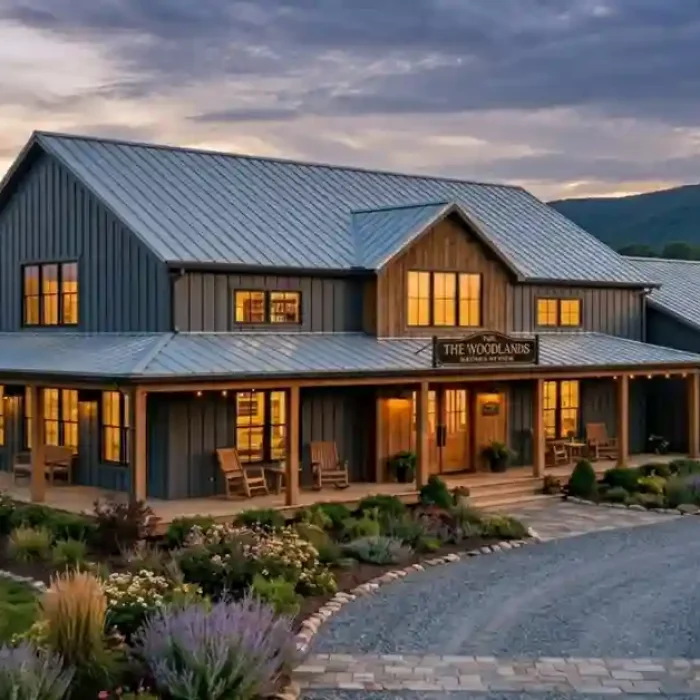
One common concern about barndominiums is energy efficiency. Steel conducts heat, which means proper insulation is critical — not optional. Spray foam insulation applied directly to the interior of the steel panels is the gold standard, creating an air-tight thermal envelope. When done correctly, a well-insulated barndominium performs as well as or better than a traditionally built home in terms of energy bills.
Traditional Home Energy Performance
Traditional homes with quality insulation and Energy Star-rated windows perform reliably, but older or mid-grade builds lose conditioned air through framing gaps, attic penetrations, and settling cracks.
Over 50 years, a barndominium built with modern spray foam insulation can actually result in lower cumulative utility costs.
Insurance, Financing, and Resale Considerations
Resale Value Over Time
Traditional homes have a longer history in the real estate appraisal market, which makes them easier to comp and appraise. Barndominiums are gaining ground in rural Texas markets, but appraisers still face challenges in some counties finding comparable sales. This is something to consider if you plan to sell within the next 10 to 15 years.
Getting a Loan and Insurance
Financing a barndominium has historically been trickier than financing a traditional home. Conventional mortgage lenders often classify barndominiums as agricultural or mixed-use structures, which can push buyers toward USDA loans, portfolio lenders, or specialty lenders. This is improving rapidly as barndominiums become more mainstream, but it’s worth researching lenders in Texas who specialize in these builds.
Insurance is generally straightforward, and steel construction can actually lower fire and wind-damage premiums in certain Texas counties.
Which One Makes More Sense for Texas Living?
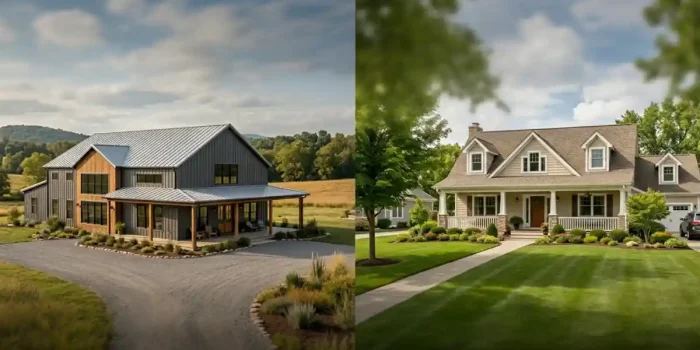
If you’re building on rural acreage, want lower upfront costs, and plan to stay long-term, a barndominium offers compelling financial and structural advantages.
If you’re in a suburban area, need conventional financing, or plan to sell within a decade, a traditional home may serve you better from a resale perspective.
When you’re ready to move from planning to building, consult with a professional barndominium builder in Houston to ensure your design meets local wind-load requirements. This step alone can save you from costly structural revisions and code compliance issues down the road.
Final Verdict: 50-Year Cost Summary
Over a full 50-year window, barndominiums in Texas often come out ahead on total cost especially when you factor in lower construction costs, durable metal roofing, steel frame longevity, and reduced pest and rot-related repairs. Traditional homes may hold a slight edge in urban resale markets and financing flexibility.
Ultimately, the right choice depends on your land, your lifestyle, your budget, and your long-term plans. Both building types can give you a beautiful, functional home but the numbers favor barndominiums when you’re thinking in decades, not just years.
At Houston Building Repair Company, we’ve worked with both structure types extensively across the Greater Houston area and surrounding Texas counties. Whether you need advice on barndominium construction, foundation repair, roofing, or home maintenance planning, our team is here to help you build and protect your investment for the long haul.